Businesses naturally generate a large amount of waste due to high foot traffic and daily operations, regardless of the industry. For instance, offices produce a high volume of paper waste, restaurants generate extensive organic waste, and construction companies leave behind heavy debris. In turn, this causes waste management costs to escalate.
Many businesses struggle with high waste costs due to a lack of clarity in their waste management plan. They may schedule pickups too frequently, use undersized or oversized dumpsters, and send recyclable items straight to the landfill. A haphazard waste management approach is often the culprit behind increasing costs.
The good news is that lowering waste management costs is easy and sustainable with a smart plan. Modern strategies like digitized waste tracking, proper waste segregation, partnering with recycling programs, and optimizing dumpster sizes go a long way in cutting down costs.
In this blog, we’ll uncover these strategies and outline actionable steps businesses can take to optimize waste management costs.
Why Waste Costs Are a Concern For Businesses?
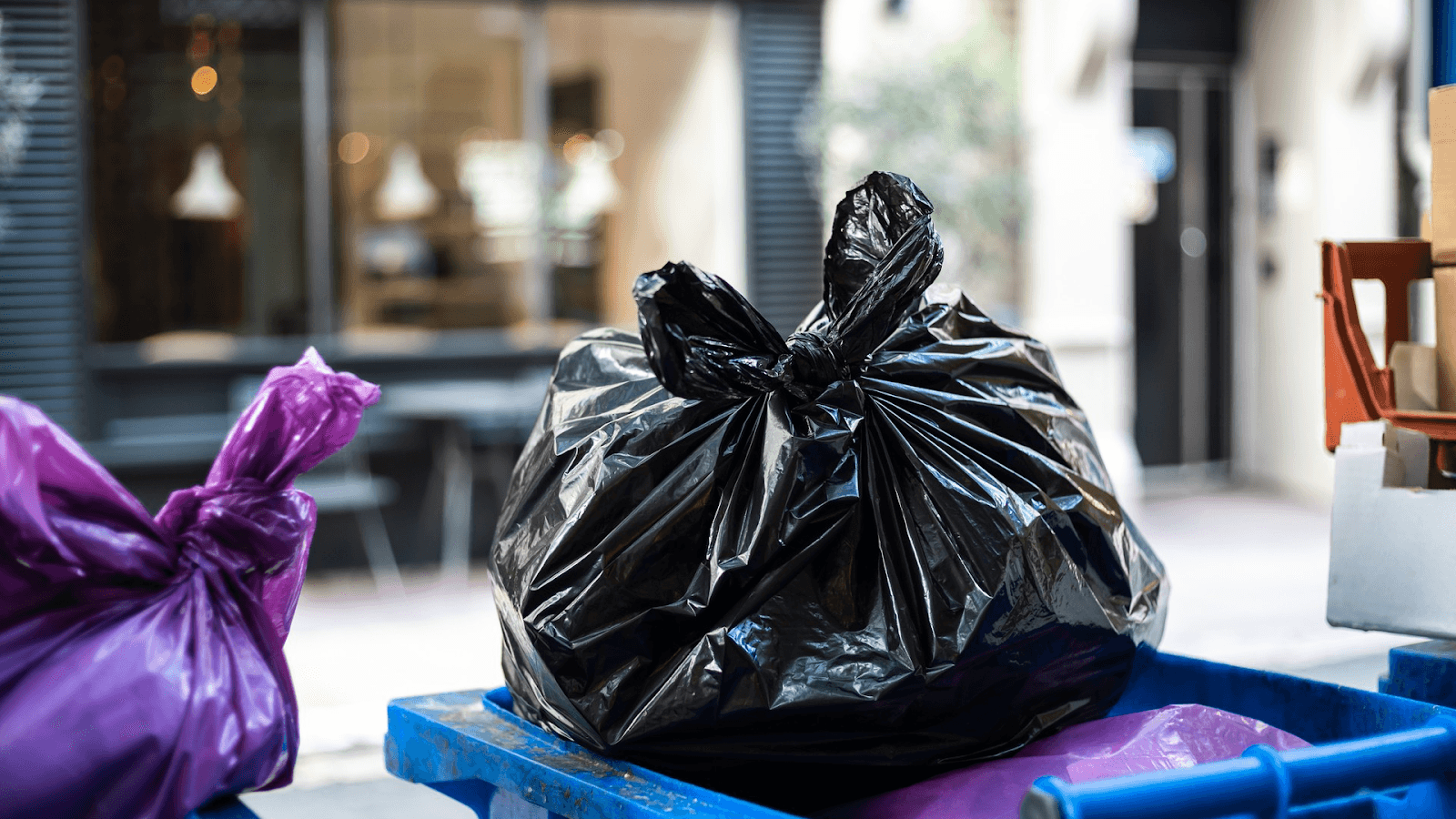
Waste management costs involve a number of variables that need to be taken into account. These include disposal fees as per Calgary’s environmental regulations, high fuel prices, landfill taxes and labor costs. Add in the fluctuating market costs for recycling, dumpster rental services and contamination penalties – and it becomes clear why waste management costs skyrocket.
Another angle to the problem is that businesses can’t simply downscale or lower the quality of their services to lower waste management costs. The solution lies in finding the right balance between reducing unnecessary expenses while maintaining high standards of cleanliness, compliance and planning.
Let’s dive deeper into easy strategies aimed at waste cost reduction for businesses.
Understanding Your Current Waste Management Strategy
Before making any changes, businesses need to take a step back and look at how their waste is currently being handled. They need to audit how much waste is being produced, what kind of waste it is, how it’s being stored, how often it’s collected, and where it ultimately goes.
Without this clarity, it’s impossible to know where money is being lost or where improvements can be made.
Here’s what to examine in your existing waste management plan:
- Waste Volume Trends: How much waste is generated weekly or monthly? Does it fluctuate seasonally or during peak business periods?
- Waste Composition: What percentage is recyclable, organic, hazardous, or general waste? Are recyclable materials being mixed with landfill waste?
- Container Usage: Are dumpster sizes appropriate for your needs, or are they frequently overflowing or half-empty?
- Pickup Frequency: Are collections scheduled based on actual need, or are you paying for unnecessary pickups?
- Disposal Methods: Where is your waste being sent – landfill, recycling facilities, composting sites?
- Hidden Costs & Penalties: Are you being charged contamination fees, overweight surcharges, or emergency service fees?
- Operational Workflow: Is waste disposal convenient for staff, or does poor placement lead to improper sorting?
Implementing Waste Segregation For Cost Savings
Waste segregation is one of the smartest ways to keep costs in check. When recyclables, organic materials, and non-recyclables are separated, companies can take advantage of Calgary’s recycling programs and reduce contamination fees. It also makes it easier to document different waste types and identify the correct disposal method for each.
| Waste Type | Examples | Proper Disposal Method |
| Recyclables | Paper, cardboard, plastics, metals | Sent to recycling facilities |
| Organics | Food scraps, yard waste | Composted or sent to organic processing |
| Non-recyclables | Contaminated packaging, broken items | Landfill or incineration |
| Hazardous Waste | Batteries, chemicals, e-waste | Specialized disposal |
| Construction Waste | Concrete, wood, scrap metal | Construction waste services |
Waste Segregation Benefits for Businesses:
- Lower disposal fees: Reduces the volume of landfill-bound waste and avoids contamination penalties.
- Recycling incentives: Some municipalities or waste haulers offer discounts or rebates for properly sorted recyclables.
- Reducing Pollution: Keeps recyclables and organics out of landfills, supporting sustainability goals.
- Improving operational efficiency: Easier collection and handling when materials are pre-sorted.
- Streamlined reporting & tracking: Clear segregation allows for better monitoring of waste trends and cost analysis.
Optimizing Waste Collection and Frequency
Matching your waste pickup schedule to your actual volume is a simple way to save money without creating overflow problems. The key is to plan collections based on real data rather than sticking to a rigid weekly schedule. Here’s a recommended waste pickup schedule for businesses:
| Waste Type | Waste Volume | Pickup Frequency | Recommended Solution |
| General Waste | Low to Moderate | Once every 1-2 weeks | Compactors, front load dumpsters |
| Recyclables | Moderate | Every 10 days | Separate bins, front load dumpsters |
| Organic / Food Waste | High | 2-3 times per week | Compost bins, compactors |
| Construction Debris | Low-High | After major projects or on a weekly basis | Roll off dumpsters, Moloks |
| Hazardous Waste | Low | Monthly or as needed | Specialized containers |
Tips for optimizing waste collection schedules:
- Track actual bin fill levels for 2-4 weeks to identify realistic pickup needs.
- Increase frequency during peak seasons and reduce during slow periods.
- Combine compactors or Moloks with longer intervals to reduce hauling costs.
- Coordinate with your waste hauler to adjust schedules without penalties.
Want to learn more about key challenges in waste management and how to overcome them? Click here to learn more.
Reducing Waste at the Source
Many businesses assume that recycling is the best way to reduce waste, but as the saying goes “prevention is better than cure”, it’s better to prevent excessive waste from being created in the first place. Here are some key ways to reduce waste at the source:
- Review Packaging Choices: Work with suppliers to reduce excess packaging or switch to reusable or recyclable materials.
- Bulk Purchasing: Buying in bulk can cut down on individual packaging waste and shipping materials.
- Digital Over Paper: Shift invoices, reports, and internal memos to digital formats to reduce paper waste.
- Employee Training: Educate staff on proper waste sorting, recycling, and minimizing disposables.
- Inventory Management: Avoid over-ordering perishable goods to reduce food or material waste.
- Reusable Materials: Introduce reusable containers, pallets, or service ware where possible.
Also read: Innovative Recycling Solutions for Construction Waste
Adopting Recycling and Composting Programs
Recycling programs for businesses help maintain compliance with Calgary’s waste diversion bylaws. By separating waste category-wise and composting organic materials, you can not only reduce carbon footprint but also leverage from rebates when waste is diverted from landfills.
Here are some tips for implementing recycling and composting programs for lowering waste management costs:
- Designate bins clearly for recyclables, organics, and landfill waste to avoid contamination.
- Partner with local haulers or depots that handle commercial recycling and compost pickup efficiently.
- Use business waste resources (guides, posters, support) to help employees sort correctly.
- Train staff on proper sorting to reduce contamination and improve diversion rates.
- Monitor and adjust programs regularly to maximize savings and efficiency.
- Consider partnering with a company that provides recycling and dumpster rental services.
- Explore specialized programs for plastics, electronics, or other materials to expand recycling options.
Also read: Proper Waste Disposal for Public Health
Utilizing Technology and Data to Track Waste
Businesses no longer have to rely on guesswork or manual spreadsheets to track waste, as latest technology has automated the process. Waste tracking software, sensors, and smart bins can monitor the volume and type of waste in real time.
For example, some systems can alert you when a dumpster is nearly full, or generate reports showing which materials are being discarded most often. This data makes it easier to spot trends that might have gone unnoticed with manual tracking.
Technology also helps businesses reduce waste and optimize resources. Data analytics can show patterns, like which departments produce the most waste or which materials are frequently contaminated, so you can target solutions effectively.
Some systems even suggest adjustments to pickup schedules, dumpster sizes, or recycling strategies, helping businesses cut costs without reducing service.
Engaging Employees and Stakeholders in Waste Reduction
Employers should make an active effort to engage employees in sustainable waste management practices. You can organize workshops and training sessions on waste sorting, recycling procedures and sustainable practices that employees can adopt on a personal level.
Visual reminders and signage also go a long way in increasing organizational awareness regarding waste management. You can put up posters and labels near bins visually explaining what goes in each bin, what doesn’t, and why proper sorting matters for cost savings and the environment.
Businesses can also incentivize employee and stakeholder engagement by offering rewards and recognition to teams or individuals who contribute to the organization’s sustainability goals.
The key is to encourage conversations and creative thinking amongst employees and stakeholders on reducing waste and leaving a positive impact on the environment.
Collaborating With Waste Management Partners for Better Rates
It’s important to look for a professional and well-reputed waste management company and develop a strong relationship with them. Many businesses end up paying more than they need because they don’t review contracts, research market-competitive rates, or negotiate with their waste management partners before committing.
Here are some simple ways to collaborate with your waste management partner for better rates:
- Conduct regular business waste audits to analyze your current waste streams and bottlenecks in your waste management program.
- Consult with the company regarding different dumpster sizes and collection schedules based on your waste volume and business requirements.
- Instead of working with multiple contractors, explore bundled services with one waste management partner for recycling, composting and landfill pickups.
- Don’t forget to ask about incentives, as many providers offer rebates for properly sorted recyclables or participation in sustainability programs.
- Make sure to review contracts annually. It’s important to reassess rates and terms so you don’t accidentally end up paying outdated fees.
If you’re looking for a reliable company that offers end-to-end waste disposal, recycling and dumpster rental services in Calgary, Waste in Motion is your best pick!
Conclusion: Long-Term Benefits of Waste Reduction
Reducing waste costs doesn’t have to come at the expense of service quality. By analyzing current waste practices, implementing segregation, leveraging technology, optimizing collection schedules, reducing waste at the source, and engaging employees, businesses can lower expenses while improving efficiency and sustainability.
Beyond the financial benefits, these strategies help promote a culture of sustainability within the organization. Employees and stakeholders become more aware of their environmental impact, operations become cleaner and more efficient, and the business positions itself as responsible and forward-thinking.
For businesses looking to streamline their waste management in Calgary, Waste In Motion is a trusted partner for dumpster rentals, recycling services, and comprehensive waste disposal solutions.
Frequently Asked Questions (FAQs)
Q: How can businesses reduce waste costs?
A: Businesses can implement a number of strategies to reduce waste costs. This includes: analyzing current waste practices, separating recyclables and organics, reducing waste at the source, optimizing pickup schedules, and working with trusted waste partners.
Q: What’s the best way to manage waste in a business?
A: The best approach combines proper segregation, employee engagement, regular monitoring, and partnering with reliable waste management providers to ensure efficiency and compliance.
Q: How do I lower waste management fees?
A: Adjust container sizes and pickup frequency to match actual needs, implement recycling and composting, and negotiate rates with your waste service provider based on your specific waste volumes.
Q: How can recycling save businesses money?
A: Recycling reduces the amount of waste sent to landfill, lowers disposal fees, avoids contamination penalties, and can even earn rebates or incentives from recycling programs.
Q: Can technology help reduce waste costs?
A: Of course. Waste tracking software and smart bins provide data on waste volumes and trends, helping businesses optimize pickups, reduce overages, and make informed decisions to save money.