

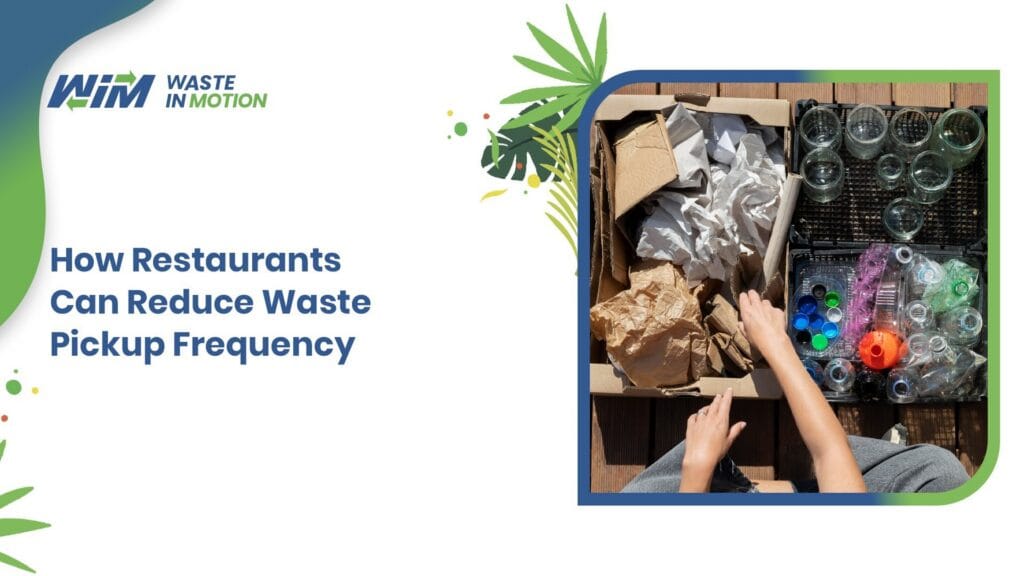
Introduction to Restaurant Waste Pickup Reduction
In a restaurant, waste builds up fast. One busy weekend can leave behind overfilled garbage bins, spoiled prep waste, stacks of cardboard, and bags that need to be hauled out sooner than expected. When that becomes the norm, waste collection starts feeling like something you are constantly reacting to instead of controlling.
That is where Restaurant Waste Pickup Reduction becomes valuable. The goal is not to let waste pile up. It is to create a cleaner, smarter system that reduces how often pickups are needed in the first place.
That matters for a few reasons. Food waste is still one of the largest material streams going to landfill. EPA estimates that in 2019, about 66 million tons of wasted food were generated across the food retail, food service, and residential sectors, and around 60% of that went to landfill. On top of that, restaurant-related sources generate an estimated 22 to 33 billion pounds of food waste each year in the U.S.
For restaurants, that usually shows up as:
- higher hauling costs
- fuller bins sooner than expected
- back-of-house clutter
- odor and sanitation issues
- missed recycling opportunities
- staff spending more time handling waste than they should
Reducing pickup frequency starts with reducing what goes into the bin.
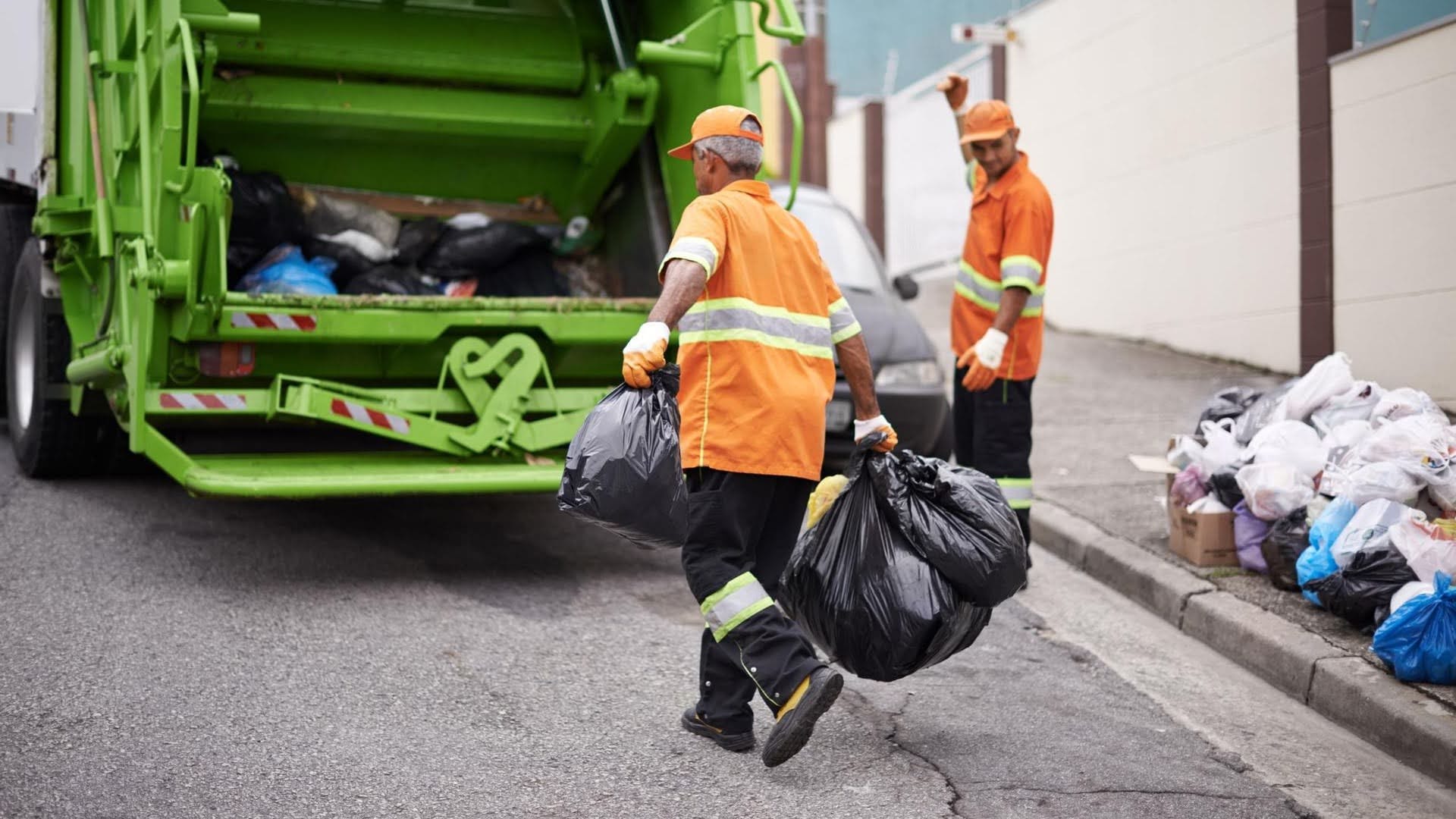
Why Reducing Waste Collection Matters for Restaurants
The most obvious benefit is cost. Fewer pickups can mean lower service costs, fewer overage issues, and less money spent moving materials that could have been prevented, separated, or diverted earlier.
But it also improves daily operations.
When restaurants get serious about restaurant waste disposal optimization, they usually see benefits like:
- cleaner prep and storage areas
- better staff routines
- less food spoilage
- improved recycling performance
- fewer overflow issues during busy periods
Waste In Motion’s own business-efficiency content makes the same point from a broader operational angle: better waste systems support cost savings, cleaner workflows, and better day-to-day efficiency.
There is also a customer-facing side to this. A restaurant that runs a tighter kitchen, wastes less food, and keeps service areas clean is usually operating more efficiently overall. That kind of discipline tends to show up in service quality too.
Strategies to Reduce Restaurant Waste Collection
Improve Inventory Management
A lot of restaurant waste starts long before anything hits the garbage bin. It starts with over-ordering, weak forecasting, or ingredients sitting too long in storage.
NetSuite highlights inventory waste as one of the biggest sources of food loss in restaurants and recommends regular inventory review, better forecasting, and tighter ordering practices. It also notes that inventory systems can help restaurants adjust orders based on real-time sales and reduce spoilage. RTI makes a similar point, recommending just-in-time ordering and FIFO rotation to lower the risk of waste.
A more practical approach usually includes:
- reviewing high-waste ingredients weekly
- ordering more closely to actual demand
- rotating stock using FIFO
- watching seasonal items more carefully
- reducing duplicate ingredients across the menu
This is one of the fastest ways to reduce restaurant waste collection because less spoilage means less material entering the waste stream.
Minimize Food Waste in the Kitchen
What happens in prep has a huge impact on how quickly bins fill up.
Portion control, better prep planning, and using ingredients more intentionally all help. NetSuite recommends standardized recipes, precise measurements, prep sheets, and clear processes for repurposing usable excess items. Grubhub also notes that overly large portions often create unnecessary plate waste and suggests offering multiple portion sizes where appropriate.
This is where restaurants can often tighten waste fast:
- adjust oversized portions
- prep based on realistic demand
- repurpose safe, usable excess ingredients
- reduce unnecessary trim waste
- review plate waste by menu item
A restaurant does not need to change its concept to waste less. Often, it just needs to tighten habits in the kitchen.
Train Staff on Waste Reduction Practices
Waste reduction only works when staff understand what matters and why.
Grubhub recommends training teams on:
- standard portion sizes
- low-waste prep methods
- safe and efficient food storage
- inventory management systems
- communicating portion options clearly to guests
That matters because even a strong plan breaks down when:
- prep is inconsistent
- staff over-portion by habit
- recyclable materials get mixed with garbage
- spoiled items are not caught early
Good training improves consistency, and consistency is a big part of Restaurant Waste Pickup Reduction.
Optimize Waste Disposal Processes
Restaurants often focus on what they throw away, but not always on how they throw it away.
That is where restaurant waste disposal optimization becomes important. If garbage, cardboard, recyclables, and food waste are all being handled the same way, pickups usually become more frequent than they need to be.
A smarter setup often includes:
- separating cardboard from general garbage
- keeping food waste out of recyclable streams
- using the right bin sizes for actual waste output
- reviewing whether pickups are based on habit or real need
- tracking when overflow actually happens
If your current setup feels too rigid or expensive, a closer look at Waste Contract Management in Calgary can help uncover whether service levels, frequency, or container sizing need to be adjusted. Waste In Motion notes that its contract management service includes benchmarking current waste services, optimizing recycling options, and right-sizing services around actual needs.
Implement Sustainable Waste Management Solutions
Sometimes pickup reduction is less about garbage and more about diversion.
That means finding ways to keep useful or recoverable materials out of the landfill stream in the first place. Depending on the restaurant, that may include:
- cardboard recycling
- separating cans and bottles
- keeping plastics cleaner where accepted
- exploring organics diversion where available
- donating safe surplus food where possible
EPA’s current food guidance ranks preventing wasted food, donating it, and upcycling it above landfill disposal. That gives restaurants a strong framework for deciding what should be reduced, recovered, or diverted before it becomes garbage.
If you want a clearer view of local recycling options for common business materials, you can find more here: Recycling in Calgary. Waste In Motion notes that recycling programs can be tailored by material mix and service frequency, which is especially useful for restaurants with changing weekly volumes.
Use of Technology for Waste Monitoring
Technology is one of the easiest ways to make waste reduction less guesswork-driven.
NetSuite recommends digital waste-tracking tools to help restaurants connect waste data back to inventory, menu performance, and portion sizes. It also notes that 37% of restaurants increased food-waste tracking in 2023 as food costs rose.
Even simple tracking can help:
- what gets thrown out most often
- what days generate the most waste
- which menu items create the most plate waste
- when bins actually fill up
- where recycling contamination happens
That kind of visibility helps restaurants build real restaurant waste management solutions instead of relying on assumptions.
Benefits of Reducing Waste Pickup Frequency
When restaurants reduce what goes into the bin, pickup reduction usually follows naturally.
The biggest benefits are:
- lower hauling and disposal costs
- better use of kitchen and back-of-house space
- fewer overflow and odor problems
- stronger sustainability performance
- less wasted food and packaging
- more control over day-to-day operations
It also makes the whole waste system easier to manage. That matters in restaurants, where small operational inefficiencies tend to add up quickly.
For a broader look at the business case behind smarter waste systems, this article on efficient waste disposal for businesses fits well here. And if you want a wider view of why businesses struggle with waste in the first place, this guide on key waste management challenges is another natural internal read.
Conclusion
Reducing pickups is not about cutting corners. It is about running a tighter operation.
The restaurants that succeed with Restaurant Waste Pickup Reduction usually do a few things well: they order more carefully, waste less in prep, train staff consistently, separate materials better, and review whether their service setup still matches how the business actually runs.
That is what makes reduce restaurant waste collection a practical goal rather than just a sustainability idea. And over time, that kind of discipline supports cleaner kitchens, lower costs, and more efficient operations overall.
FAQ’s
1. How often should restaurants schedule waste pickups?
That depends on waste volume, bin size, food waste levels, and how well materials are separated. Restaurants that improve sorting and reduce waste at the source can often move to a more efficient pickup schedule instead of relying on frequent reactive service.
3. Can smaller restaurants also benefit from waste pickup reduction?
Yes. Smaller restaurants often benefit quickly because even modest improvements in ordering, prep control, and segregation can noticeably reduce waste volume.
4. Is composting a viable option for reducing waste pickups?
It can be, especially where organics programs are available and the restaurant produces enough food waste to justify separation. Composting or organics diversion can reduce what ends up in general garbage, which may lower pickup needs over time. EPA places organics recovery and other diversion pathways above landfill disposal in its wasted food framework.
5. How does waste segregation impact pickup frequency?
Segregation keeps recyclable and recoverable materials out of garbage. When that happens, general waste bins fill more slowly, which can reduce pickup frequency and improve overall efficiency.
6. What role do waste management companies play in optimization?
A good provider can help review service levels, adjust container sizing, improve diversion options, and align pickups with the restaurant’s actual waste output instead of a generic schedule. Waste In Motion describes this as benchmarking current services, optimizing recycling options, and right-sizing waste services to fit the client’s real needs.