
For most businesses, the front-load dumpster is out of sight and out of mind, until a lid cracks, wheels seize up, or complaints start coming in about odours and overflow. Consistent, well-planned Front-Load Dumpster Maintenance is what keeps you ahead of those problems instead of reacting to them after the fact. With the right approach, you can keep containers safe, clean, and reliable for years, instead of cycling through expensive replacements.
This guide breaks down the basics of maintaining commercial dumpsters so they last longer, look better, and support smoother service on site.
Introduction: Why Front-Load Dumpster Maintenance Matters
Front-load containers are part of your essential infrastructure. When they are neglected, the impact shows up in three places:
- Cost
Damaged lids, cracked bodies, and bent forks mean more repairs and earlier replacements. Overloaded or abused containers can also lead to extra service charges. - Safety
Broken wheels, sharp edges, or unstable loads are a risk for your staff, tenants, customers, and collection crews. Good front-load dumpster safety protects everyone who works around the container. - Service reliability
Containers that are blocked, overloaded, or falling apart are harder to service. That can mean missed lifts, overflowing waste, and complaints.
Treating commercial waste container care as part of your property or facility maintenance routine is one of the easiest ways to protect your budget and your site.
If you are still choosing between container styles, it can help to start with the basics in our guide to front-load dumpster benefits for business and our front-load vs rear-load dumpsters comparison.
Understanding the Anatomy of a Front-Load Dumpster
You do not need to be a fabricator to understand what keeps a container healthy.
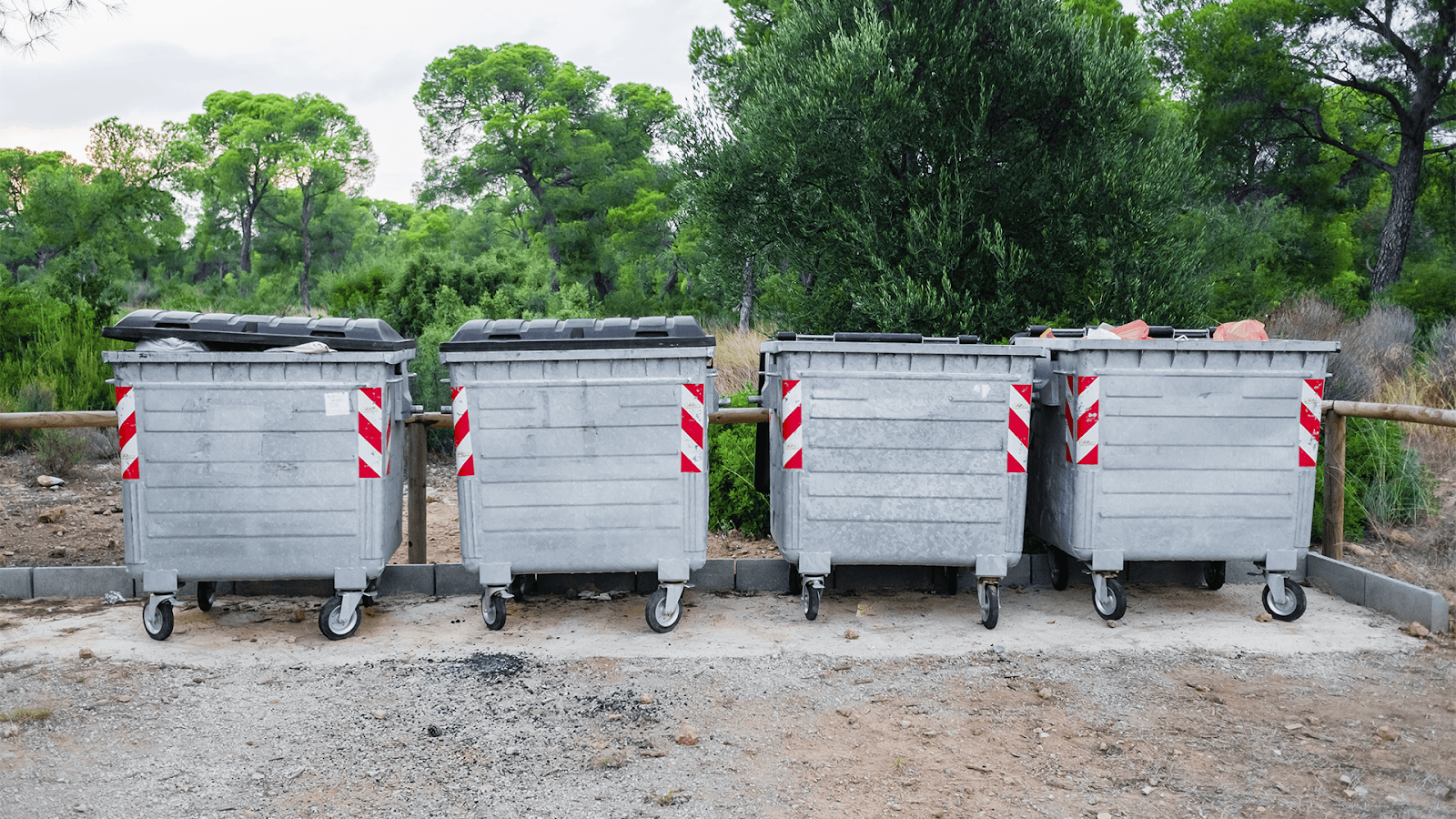
Key components include:
- Steel body
The main box that holds the waste. This is where corrosion, cracks, and impact damage show up. - Lids
Often plastic, sometimes steel. They are your first defense against rain, pests, and odours. - Wheels and casters
Allow the container to be moved for service or cleaning. When they fail, staff may start dragging or pushing the container in unsafe ways. - Fork pockets and pockets rails
The points where the truck engages the container. Damage here affects safe lifting and can shorten the container’s life. - Drain plugs
Allow wash water or trapped liquids to be drained safely, rather than pooling inside.
The most common wear points for maintaining commercial dumpsters are lids, hinges, wheels, and the lower sections of the body where moisture and waste collect. Regular checks of these specific areas can catch problems early.
Routine Cleaning Best Practices
One of the most common questions is: How often should a dumpster be cleaned?
There is no single answer, because usage varies. As a general guideline:
- High-usage food service sites: at least once per month
- Standard commercial sites: every 2 to 3 months
- Low-volume, dry waste sites: quarterly or as needed
Consistent front-load dumpster cleaning prevents:
- Odours that bother customers, tenants, and neighbours
- Pests such as rodents, raccoons, flies, and wasps
- Residue buildup that accelerates rust and corrosion
For effective dumpster odour prevention and hygiene:
- Schedule wash-outs where containers are emptied, rinsed, and treated with a suitable degreaser
- Use hot water or pressure washing for stubborn residue
- Always drain wash water to appropriate collection or treatment points, not storm drains
Preventing Contamination and Improper Use
What goes in the container has a direct impact on Front-Load Dumpster Maintenance and lifespan.
Front-load dumpsters are typically designed for standard commercial waste and recyclable materials, not:
- Construction debris, heavy concrete, and soil
- Large metal items, appliances, or machinery
- Hazardous materials such as chemicals, oils, or paint
- Hot ashes or anything that has not cooled fully
This kind of contamination:
- Bends lids and warps bodies
- Damages the fork pockets and sides when overloaded items are forced in
- Adds weight that can exceed safe lift limits
Simple education is often the best preventing dumpster damage strategy:
- Post clear signage on or near the container that lists acceptable and unacceptable materials
- Include dumpster guidelines in tenant welcome packages or staff training
- Remind users periodically, especially after you see problem items in the container
For a broader look at why contamination is such a persistent problem in the industry, you can also read about key challenges in waste management and how to overcome them.
Inspecting for Damage and Safety Risks
If you are asking “What damages a front-load dumpster?”, the short list is overloads, impact, and neglect. Regular inspections help you catch issues before they become hazards.
During a quick visual check, look for:
- Lids and hinges
Are lids cracked, torn, warped, or missing? Do hinges move freely or look bent? - Wheels and casters
Are any wheels missing, flat, or seized? Are mounting plates secure? - Body and seams
Any visible rust holes, cracks, or areas where waste or water is leaking out? - Fork pockets and rails
Are there signs of bending, tearing, or severe wear?
If you see damage that affects stability, sharp edges, or lift points, treat it as a safety issue and contact your provider. In many cases, a damaged lid or caster can be replaced quickly, while a severely corroded or twisted body may be safer to swap out entirely.
Managing Weight Limits and Overloading Issues
Overloading is one of the fastest ways to shorten container life and create safety risks.
Too much weight:
- Stresses the steel body and welds
- Can damage wheels and pads
- Creates risk for collection crews and trucks
Best practices for managing weight and extending dumpster lifespan include:
- Choosing a container size that matches your waste type and volume
- Avoiding dense materials in standard front-loads, or using dedicated containers for heavy waste
- Distributing material evenly inside the container instead of piling it against one wall
If loads are consistently heavy or overflowing, it might be time to adjust your service frequency or container size.
Seasonal Maintenance Considerations
Weather plays a bigger role than most people think in Front-Load Dumpster Maintenance.
Cold-weather challenges
- Waste can freeze to the container walls or floor, making it harder to empty
- Lids become brittle and more prone to cracking
- Snow and ice can block access or freeze lids shut
To reduce issues in winter:
- Keep lids closed to limit freezing rain and snow inside
- Clear snow away from pad areas and access routes
- Consider increasing service frequency if waste is backing up
Summer issues
Hot weather amplifies:
- Odours and bacterial growth
- Pest activity
- Corrosion where liquids sit in warm conditions
Optimizing Placement and Surrounding Conditions
Good placement should include:
- A proper pad surface
Stable, level concrete or asphalt that supports the full container and truck weight. Soft or uneven ground leads to sinking, tilting, and structural stress. - Adequate clearance
Enough space for trucks to approach, lift, and return the container without hitting nearby structures, fencing, or parked vehicles. - Drainage
A slight slope or drainage plan so stormwater and wash water do not pool under the container. Standing water accelerates rust and can cause ice hazards in winter.
Optimized placement reduces accidental impact damage and makes it easier for your provider to deliver reliable service year-round.
Partnering with a Reliable Waste Management Provider
You do not have to handle Front-Load Dumpster Maintenance alone. A proactive provider can be a major asset in commercial waste container care.
Look for a partner that offers:
- Scheduled inspections and service support
Regular checks of lids, casters, and container conditions as part of routine service. - Clear replacement timelines and container upgrades
Guidance on when a container is approaching end-of-life and options to upgrade size, style, or features. - Support with waste contracts and service levels
Help align container sizes and pickup schedules with your site’s real waste patterns. You can learn more about structuring the right agreement here.
The right partner does not just pick up waste. They help you protect your investment in containers and keep your site running smoothly.
Conclusion: Extending the Life of Your Front-Load Dumpster
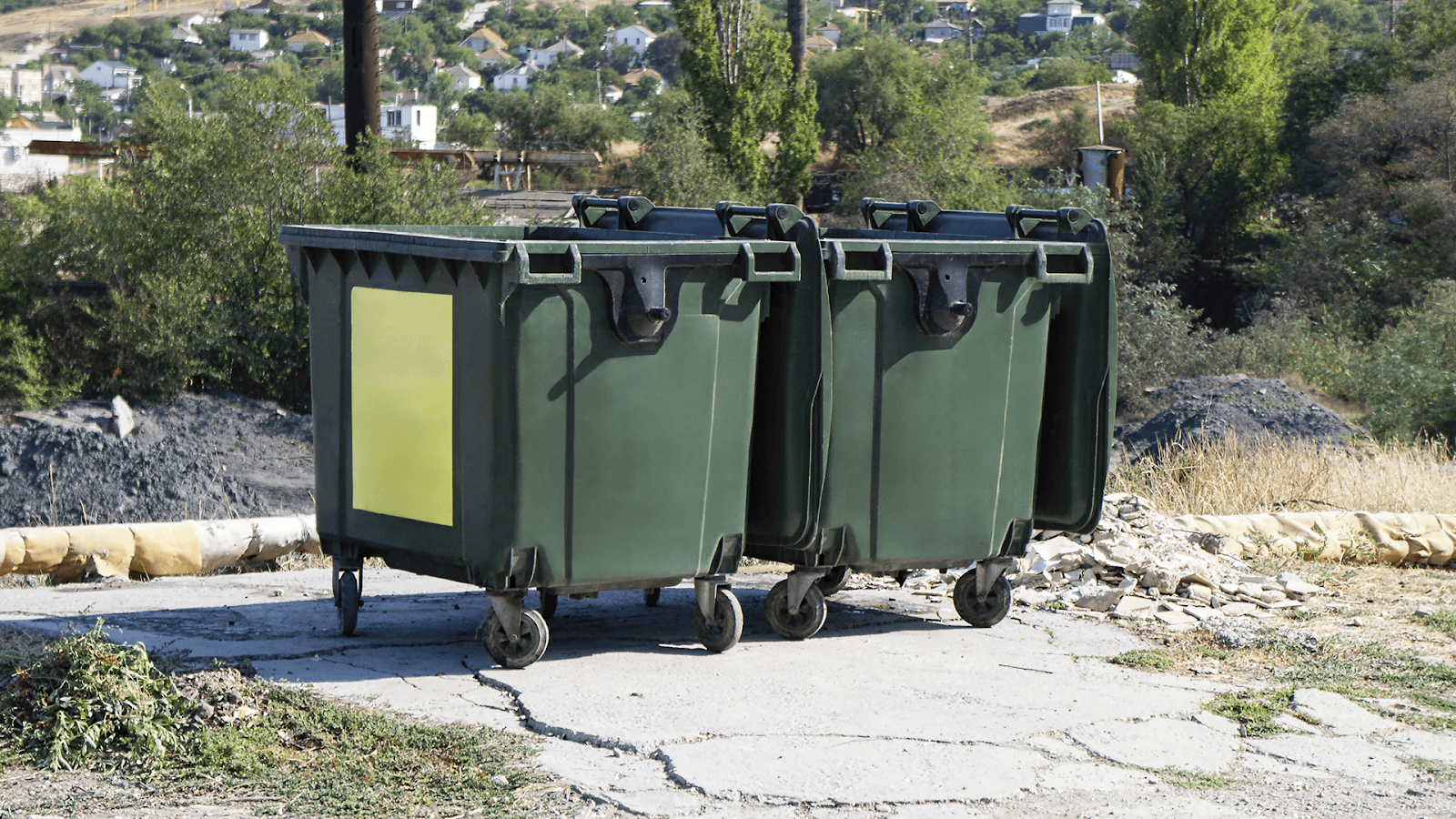
A long-lasting front-load dumpster is all about consistent dumpster maintenance best practices, like:
- Regular cleaning to control odour, pests, and corrosion
- Clear rules about what goes in and what stays out
- Routine inspections for damage and safety risks
- Smart placement and respect for weight limits
- A responsive provider who can repair or replace when needed
When you build these habits into your operations, Front-Load Dumpster Maintenance becomes a simple checklist instead of an emergency response.
If you are ready to improve how your containers look, last, and perform, explore our front-load dumpster services and see how Waste in Motion can support your site. You can also dive deeper into container selection in our front-load vs rear-load dumpsters guide, then talk to our team about a waste contract that supports your long-term goals.