
Our homes have a cupboard, shed, or basement shelf where “dangerous stuff” quietly collects. Half-used paint, mystery cleaners, old batteries, weed killers, and car fluids. Most of us know these products don’t belong in the regular trash, but it’s not always obvious what the safe, proper way to get rid of them actually is.
That is where Hazardous Household Waste Disposal comes in. Getting this right protects your family, your neighbourhood, and the environment. It also keeps you on the right side of local rules and prevents nasty surprises like fires in bins or leaks in the garage.
This guide walks you through what counts as household hazardous waste, how to spot it, and how to get it out of your home safely and responsibly.
What Is Hazardous Household Waste and Why It Matters
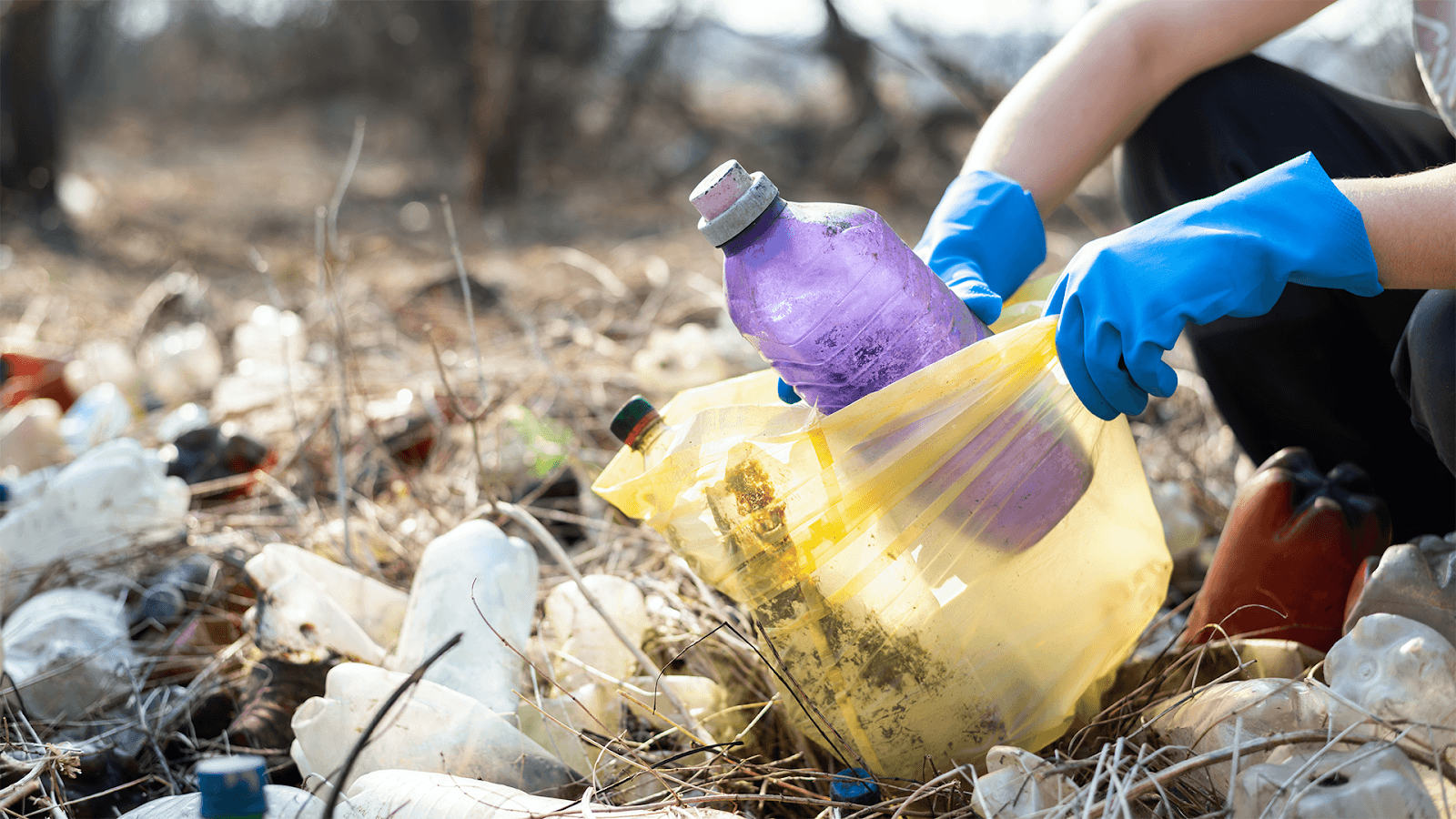
Household hazardous waste (HHW) is any leftover product from your home that is corrosive, toxic, flammable, or reactive. Typical examples include:
- Many cleaning products and disinfectants
- Oil-based paints and solvents
- Automotive fluids like oil and antifreeze
- Pesticides and strong garden chemicals
- Batteries and electronic devices
Government agencies describe HHW as common products that can catch fire, react, explode, or are corrosive or toxic, which is why they need special care at the end of their life.
The big misconception is that “household” means “harmless.” In reality, improper Hazardous Household Waste Disposal can:
- Harm sanitation workers and emergency crews
- Contaminate soil, rivers, and groundwater
- Damage your plumbing and septic system
- Create fires in bins, trucks, or landfills
If you want to see how closely waste and health are connected, our article on proper waste disposal for public health is a good companion read.
Common Types of Hazardous Household Waste
If you are wondering, “What items are considered household hazardous waste?”, here are the main categories most homes have.
Cleaning Products and Chemicals
- Bleach and ammonia cleaners
- Drain openers and oven cleaners
- Strong disinfectants, descalers, and spot removers
These can burn skin and eyes, release fumes, and create toxic reactions if mixed.
Paints, Solvents, and Adhesives
- Oil-based paints and varnishes
- Paint thinners and mineral spirits
- Glues and adhesives with strong fumes
Many of these are flammable and contain volatile organic compounds (VOCs), so they must be handled carefully.
Batteries and Electronics (E-waste)
- Single-use and rechargeable batteries
- Phones, laptops, tablets, small appliances
Batteries can leak heavy metals and, in some cases, start fires if crushed or punctured. Electronics often contain hazardous components and should never go in regular trash.
Pesticides, Fertilizers, and Automotive Fluids
- Weed and insect killers
- Lawn fertilizers with added chemicals
- Motor oil, brake fluid, antifreeze, fuel
These are harmful to soil, waterways, and wildlife if dumped or spilled.
Medical and Sharps Waste
- Used needles and lancets
- Expired medications
- Certain home-care chemicals
These must be handled with strict care to avoid injury and contamination. 
Risks of Improper Household Hazardous Waste Disposal
Throwing hazardous items in the bin or down the drain is not just “a bit careless.” It can be dangerous.
- Health risks for families and pets
Children and pets are often the first to find spills or leaking containers. Fumes in enclosed spaces, accidental ingestion, or skin contact can all cause health issues. - Environmental contamination
Pouring chemicals into sinks, toilets, storm drains, or onto soil can pollute groundwater, rivers, and lakes. Many systems are not designed to treat these substances effectively. - Legal and municipal compliance issues
Many cities clearly state that HHW must never be placed in regular garbage or drains and require a separate drop-off at designated sites or events.
For a bigger picture of the regulatory and operational side of waste, you can explore our blog on key challenges in waste management and how to overcome them.
Step-by-Step Guide to Safe Disposal
If you have been asking, “How do I dispose of hazardous household waste?”, this simple process will help.
Step 1: Identify Hazardous Items in Your Home
Walk through your kitchen, bathroom, laundry room, garage, and shed. Look for:
- Danger, warning, or poison symbols
- Words like “flammable,” “corrosive,” “toxic,” and “reactive.”
- Strong-smelling liquids in older or damaged containers
These are your priority items for Hazardous Household Waste Disposal.
Step 2: Read Labels and Storage Instructions
Most labels include basic disposal guidance. If they mention special handling or local drop-off, take that seriously. Never remove or cover up hazard labels.
Step 3: Separate Hazardous Waste from Regular Trash
Create a temporary “hazardous” zone:
- Use a sturdy box or crate
- Group similar items together (paints with paints, chemicals with chemicals)
- Never mix liquids, especially different chemicals, in one container
Step 4: Store Items Safely Until Disposal
- Keep containers upright, sealed, and in their original packaging if possible
- Store in a cool, dry place away from children and pets
- Avoid leaving them in vehicles for long periods, especially in hot weather
Step 5: Use Approved Drop-Off or Collection Services
Local municipalities and waste providers often offer:
- Household hazardous waste depots
- Special drop-off days or mobile events
- E-waste and battery recycling points at retailers
Waste in Motion can help you understand what is available in your area and coordinate safe, compliant collections where our services apply.
What You Should Never Put in the Trash or Drain
Avoid putting these in regular garbage or drains:
- Oil-based paints and solvents
- Partially full aerosol cans
- Any type of battery (especially lithium or rechargeable)
- Electronics with internal batteries
- Motor oil, fuel, and car chemicals
- Strong cleaners, bleach, drain openers, or pesticides
Some completely dry, water-based paints may be allowed in household waste under local rules, but you should always check guidance first.
Recycling and Eco-Friendly Disposal Options
Household Hazardous Waste Recycling Programs
Municipal HHW programs accept many items for treatment or hazardous waste recycling, including:
- Paint and paint cans
- Used motor oil and filters
- Batteries and electronics
- Some cleaners and garden products
Check your city website or local waste provider for locations and schedules.
Paint, Battery, and Electronics Recycling
- Many hardware stores take back leftover paint or empty cans
- Battery collection boxes are often available in supermarkets and electronics retailers
- E-waste events and permanent depots accept old TVs, laptops, printers, and more
Reducing Hazardous Waste at the Source
The most effective proper waste disposal for homes starts before you buy:
- Choose lower-toxicity or eco-labelled products when you can
- Buy smaller quantities, so you use up the product
- Share leftover materials with neighbours or community projects instead of letting them expire
For broader recycling ideas beyond HHW, explore our recycling services and how we help communities keep valuable materials out of landfills.
How Professional Waste Management Services Help
Some households prefer a trusted partner to guide them through safe waste handling practices rather than figuring it out alone.
Professional services can support you with:
- Safe handling and regulatory compliance
Correct packaging, labelling, and routing of your household hazardous waste so it moves through approved facilities. - Scheduled collections and proper processing
Coordinated pick-ups for communities, multi-family properties, or special HHW events. - Peace of mind for homeowners
Knowing your Hazardous Household Waste Disposal follows local rules and keeps workers, neighbours, and the environment safe.
To understand how expert support changes outcomes, our article on common myths about garbage disposal systems shows why “out of sight” should never mean “out of mind.”
Tips to Reduce Hazardous Waste in Your Home
Small changes in daily habits can significantly cut the amount of toxic household products you bring through the door.
- Choose safer alternatives
Look for non-toxic or low-VOC cleaners and water-based paints where performance allows. - Buy only what you need
Measure your project first so you are not left with litres of chemicals you will never use. - Store products properly
Tightly sealed, clearly labelled containers stored off the floor help extend product life and prevent leaks or spills.
These habits support long-term environmental protection at home and make your future disposal tasks lighter.
Conclusion: Protecting Your Home, Community, and Environment
Responsible Hazardous Household Waste Disposal does not need to be complicated. It comes down to:
- Knowing which products in your home are hazardous
- Keeping them separate from regular trash and drains
- Using local drop-off, recycling, and collection options
- Choosing safer products and smaller quantities over time
Each time you pause before tossing a battery, paint can, or chemical in the bin, you are protecting your family, your community, and the wider environment.
If you would like guidance, you can learn more about our approach to safe, sustainable waste handling here.
Waste in Motion works with households, property managers, and communities across Western Canada to build simple, reliable systems for hazardous and everyday waste. Whether you need support planning a collection event or advice on safer disposal options, our team is here to help you handle hazardous household waste responsibly from the front doorstep to final treatment.