

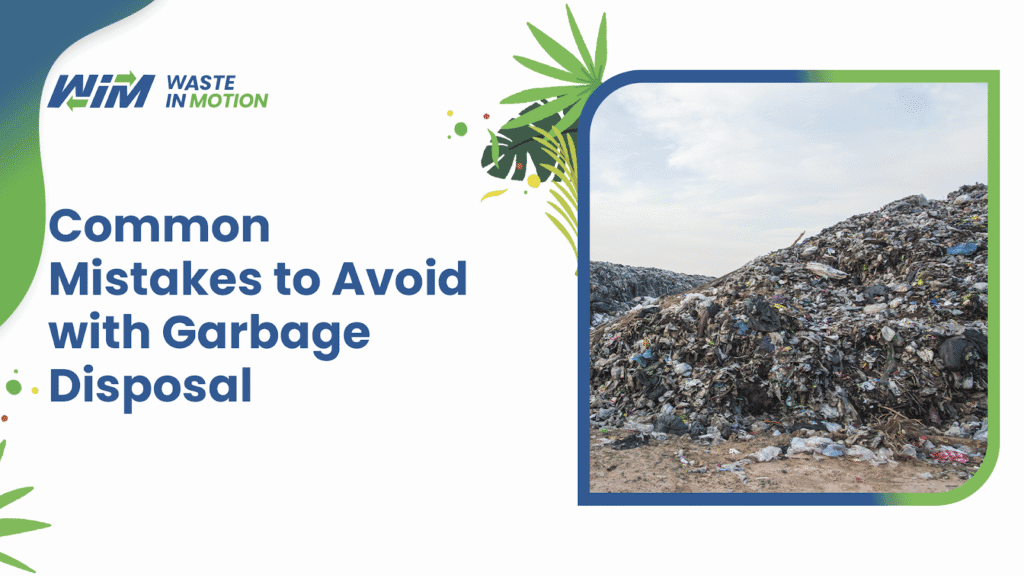
Garbage disposals make kitchen cleanup faster and easier, but only when used correctly. They’re built to handle food scraps, not everything you toss their way.
Improper use leads to some of the most common garbage disposal issues: clogs, foul odors, mechanical damage, and even pipe backups. These issues disrupt your kitchen routines and can even lead to expensive plumbing repairs and long-term appliance damage.
This guide is designed to walk you through what not to do, what to watch for, and how to properly care for your unit.
Check out more garbage disposal myth busters in our article on Common Myths About Garbage Disposal Systems..
Mistake #1: Throwing Everything Down the Drain
The biggest and most frequent garbage disposal mistake? Treating the garbage disposal like a trash can.
What not to put in the garbage disposal:
- Meat bones
- Coffee grounds
- Grease and oil
- Eggshells
- Fruit pits
- Non-food items (e.g., plastic, foil, twist ties)
These materials either dull the blades, clog pipes, or jam the motor. It’s better to scrape those into a compost bin or trash.
If you’re wondering, “Can I put grease in my disposal?”, the answer is a hard no. Grease solidifies in pipes and causes blockages.
Mistake #2: Overloading the Disposal Unit
Overloading the garbage disposal is like trying to run a blender full of rocks. It strains the motor, shortens the lifespan of the appliance, and increases the chances of a full system jam.
Common overload mistakes:
- Piling in leftovers all at once
- Running the disposal without water
- Forgetting to break down bulky scraps (like melon rinds or corn cobs)
Feed waste gradually and with running cold water to ensure smooth operation.
Mistake #3: Using Hot Water with Grease
This one seems counterintuitive, but using hot water while pouring grease down the drain is one of the most damaging food waste disposal errors.
Hot water melts the grease temporarily, which then re-solidifies deeper in your pipes. Over time, this leads to clogged garbage disposals and even sewer backups.
What to do instead:
- Wipe greasy pans with paper towels before rinsing
- Pour grease into a container and dispose of it separately
- Use cold water when running the disposal; it helps solidify fats for better grinding and removal
Explore how this affects your broader waste strategy in our article on Improving Household Waste Disposal.
Mistake #4: Ignoring Strange Noises or Odors
Your garbage disposal can talk; it just doesn’t use words. It speaks in rattles, hums, and foul smells.
Signs of garbage disposal damage:
- Grinding noises could mean a foreign object is stuck
- Humming without movement suggests the motor is jammed
- Persistent odors may signal decaying food trapped in blades or pipes
Wondering, “Why does my garbage disposal smell?” You probably need a deep clean, or you’ve got a blockage in the line. Never ignore these red flags; they’re often warning signs of bigger plumbing issues ahead.
Mistake #5: Putting Fibrous or Starchy Foods in the Disposal
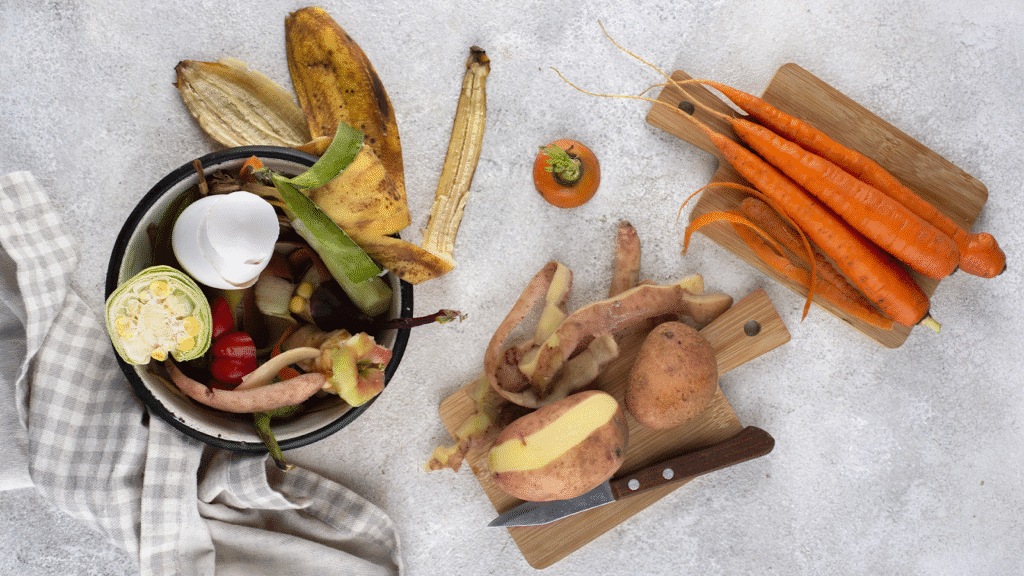
Stringy vegetables like celery, asparagus, or corn husks can tangle the blades. Starchy foods like pasta and rice expand with moisture and create gummy blockages.
High-risk items:
- Potato peels
- Banana peels
- Artichokes
- Pasta, rice, and bread
The more fibrous or starchy the item, the more likely it is to clog your pipes.
Mistake #6: Flushing Harsh Chemicals Down the Drain
Bleach, drain cleaner, and harsh degreasers corrode your disposal’s internal components and can release toxic fumes.
Safe disposal unit practices:
- Use baking soda and vinegar for routine cleaning
- For odors, grind lemon peels and ice cubes
- Avoid store-bought chemical drain cleaners entirely
Looking for safer alternatives to clean your disposal? These recycling tips will help you manage tough materials without harming your equipment or the environment.
Mistake #7: Skipping Routine Cleaning and Maintenance
Ignoring basic maintenance shortens your disposal’s lifespan dramatically.
How do I clean my garbage disposal?
- Run cold water before and after each use
- Clean weekly with baking soda and vinegar
- Use a long-handled brush to clean the splash guard and grinding chamber
- Have your disposal professionally inspected every 1–2 years
Best Practices to Keep Your Garbage Disposal Running Smoothly
You’ve seen the mistakes, now here’s how to do it right.
Safe disposal unit practices:
Preventative care is the simplest way to avoid clogged garbage disposal nightmares and keep your kitchen smelling and functioning its best.
- Always use cold running water
- Grind small amounts of food at a time
- Avoid letting utensils fall inside (this is more common than you think!)
- Keep a compost bin nearby to reduce disposal reliance
- Teach every household member the garbage disposal dos and don’ts
When to Call in a Professional for Garbage Disposal Issues
There are some things you shouldn’t DIY, especially when electricity and plumbing are involved.
Call a professional if:
- The motor hums but doesn’t spin
- There’s water leaking under the sink
- The reset button doesn’t fix the issue
- The unit needs to be replaced (most last 10–12 years)
Waste in Motion works with residential and commercial clients to help identify disposal inefficiencies, odors, or breakdown risks early. Learn more about our broader approach to Proper Waste Disposal for Public Health.
Eco-Friendly Alternatives for Food Waste Disposal
If you’re using your garbage disposal as your primary waste method, it’s time to diversify.
Sustainable options:
- Countertop composting bins for vegetable scraps
- Municipal green bins for organics
- Food waste collection programs in your area

Conclusion: Treat Your Disposal Right for Long-Term Use
A garbage disposal is a modern convenience, but only if you treat it like a tool, not a trash chute.
Avoiding these garbage disposal mistakes is all about awareness, routine, and smart habits. Whether you’re a homeowner, property manager, or commercial kitchen operator, the best results come from proactive care.
Final takeaway checklist:
✅ Don’t pour grease or starchy food down the drain
✅ Avoid overloading the unit or skipping cleaning
✅ Educate others on proper disposal and use
✅ Schedule maintenance or professional help when needed
✅ Explore sustainable food waste options alongside disposal use
Need help with your household or commercial waste system?
Contact Waste in Motion for customized solutions that keep your property safe, efficient, and environmentally responsible.