

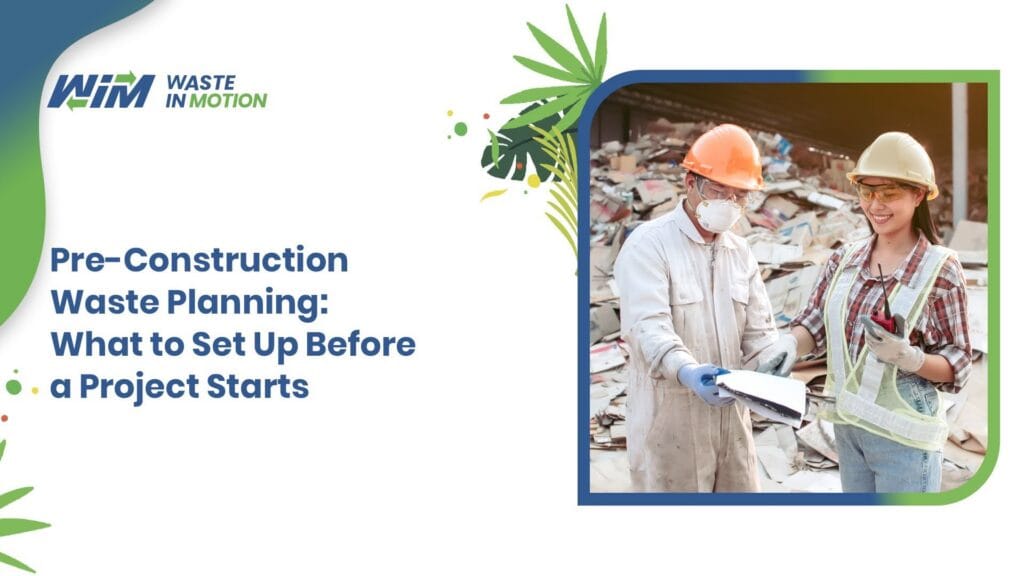
Introduction to Construction Waste Planning
The best time to fix waste problems is before they happen.
A project can have the right team, the right schedule, and the right materials in place, yet still lose time and money because no one thought seriously about waste before work started. Deliveries arrive in layers of packaging. Demolition debris builds up faster than expected. Recyclable materials get mixed into general waste. Crews improvise because the system was never clearly set up in the first place.
That is why Construction Waste Planning deserves attention before kickoff. It affects how efficiently the site runs, how well materials are handled, how much is diverted from landfill, and how easy it is to stay organized once work begins.
WBDG recommends establishing waste reduction goals early and incorporating waste expectations into project documents from the start. It also notes that design choices, purchasing decisions, and jobsite procedures all influence how much waste a project creates.
A good pre-construction plan answers practical questions early:
- What waste streams are most likely on this project?
- What can be reused or recycled?
- How many containers will be needed?
- Who is responsible for sorting and monitoring?
- What service setup will keep the site moving without unnecessary cost?
When those decisions are made early, the site is easier to manage from day one.
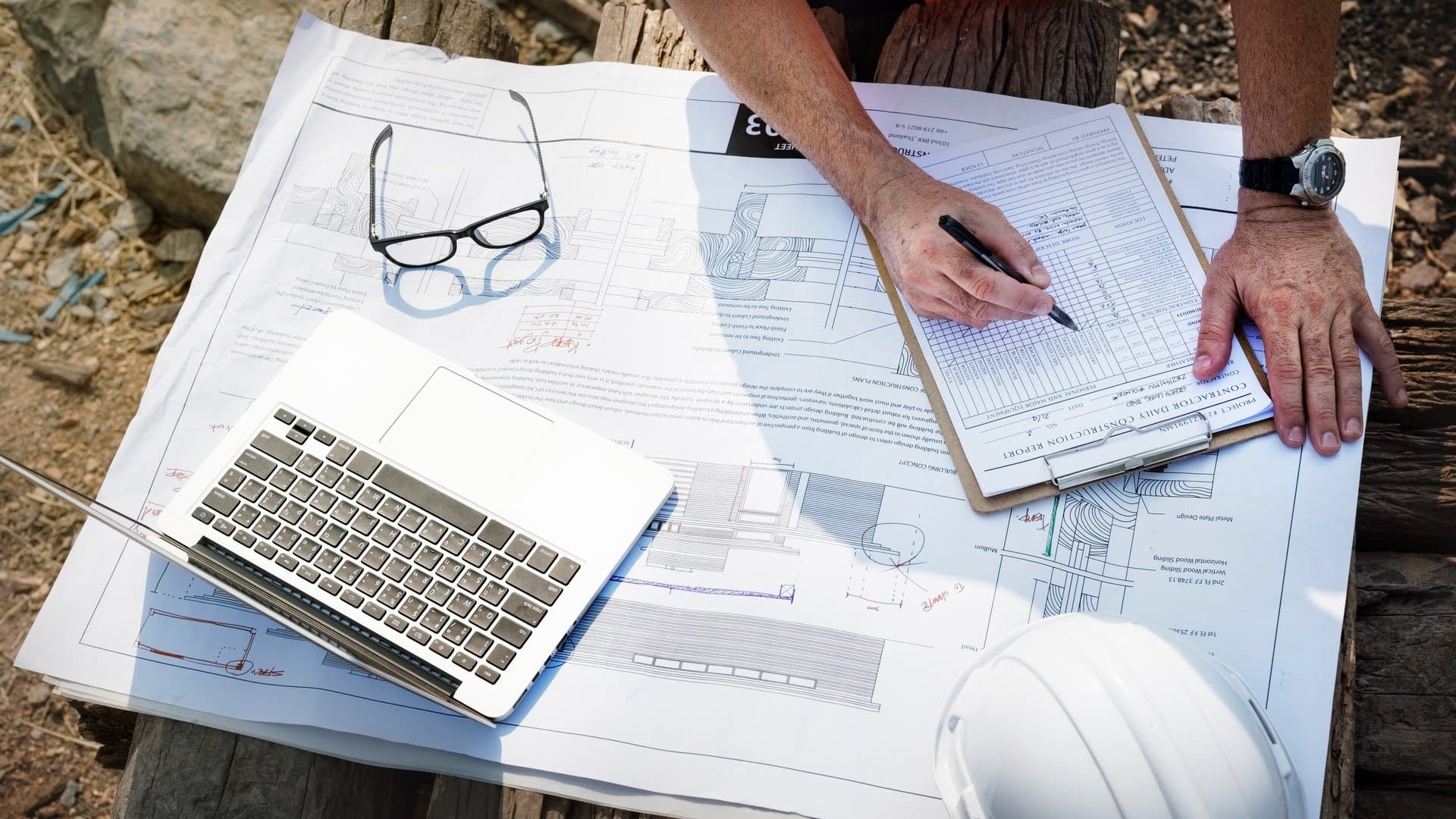
Why Planning Before Construction Is Critical
Waste has a way of becoming expensive when it is handled late.
Without a clear plan, projects often end up dealing with:
- cluttered work areas
- mixed debris loads
- extra hauling costs
- lower recycling rates
- delays caused by poor bin access
- confusion between contractors and trades
That is one of the biggest reasons construction waste management should be part of pre-construction discussions, not something handled casually after mobilization.
Early planning also helps with:
- cleaner staging areas
- better material separation
- fewer disruptions during active work
- clearer site responsibilities
- stronger compliance and reporting
For teams looking at the bigger cost picture, this breakdown of how efficient waste disposal supports business performance fits naturally alongside pre-construction planning.
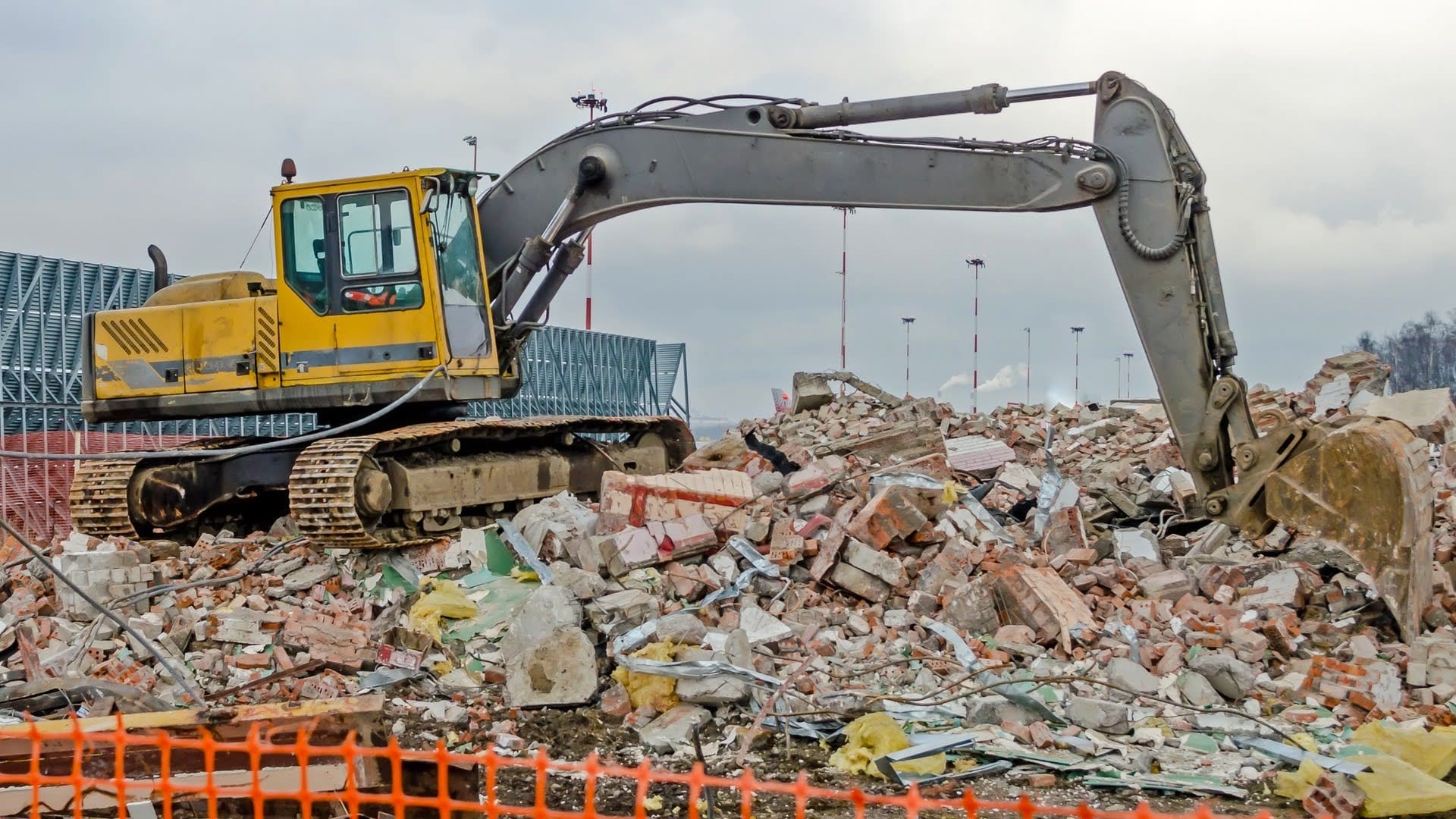
Understanding Construction Waste in Early Project Phases
Waste starts building before most people think it does.
Types of construction debris planning considerations
A strong construction debris planning approach usually takes into account:
- packaging from deliveries
- pallets and shrink wrap
- wood offcuts
- drywall scrap
- concrete and masonry debris
- metal
- insulation
- flooring and finish waste
- temporary materials
- demolition debris from prep work
Some materials are recyclable when kept separate. Others become expensive once they are mixed. That is why early identification matters.
Common sources of pre-construction waste
Before the main work is even underway, waste can come from:
- site clearing and demolition
- unpacking new materials
- incorrect or damaged deliveries
- storage damage
- layout changes
- excess ordering
- temporary protection materials
WBDG points out that construction waste includes scrap, damaged materials, packaging, and temporary materials, all of which can be influenced by better planning and purchasing decisions.
Risks of poor waste planning before project kickoff
When construction site waste planning is weak, the same issues show up again and again:
- recyclable material gets lost in mixed loads
- bin placement becomes inconvenient
- site traffic gets more difficult
- disposal costs increase
- crews waste time working around debris
- diversion goals become harder to meet
Those issues do not just affect cleanliness. They affect workflow.
Conducting a Pre-Construction Waste Assessment
Before work begins, it helps to step back and assess what the project is likely to generate.
That assessment should include:
- estimated waste volume by phase
- likely material categories
- recyclable and reusable streams
- disposal needs for non-recyclable debris
- container access points
- space available for waste and recycling bins
- hauling frequency needs
This is the stage where Construction Waste Planning becomes practical instead of theoretical. You are not simply saying the site will need waste service. You are mapping how that service should work.
Wr recommend creating a waste baseline by identifying waste types, estimated quantities, and current handling methods. That gives teams a stronger starting point for setting targets and choosing the right control measures.
Bringing suppliers into the plan early
Suppliers also shape the waste profile of a job.
They influence:
- how materials are packaged
- how much protective material arrives with deliveries
- whether pallets or containers can be returned
- whether products arrive damaged
- how much overage is built into orders
Bringing suppliers into the conversation early can improve construction waste management before the site even gets busy.
Setting Up a Construction Waste Management Plan
Once the expected waste streams are clear, the next step is building a plan the site can actually follow.
A useful waste plan should cover the basics clearly.
Defining waste handling procedures
The plan should spell out:
- what materials will be separated
- what goes into each container
- where bins will be placed
- how contamination will be handled
- when pickups or swaps will be scheduled
The clearer the rules are upfront, the less guesswork there is later.
Assigning responsibilities to contractors
A waste plan works better when ownership is clear.
That includes:
- who oversees waste tracking
- which contractor is responsible for sorting
- who reports overflow or contamination
- who coordinates with the waste provider
- who keeps diversion records updated
WBDG recommends naming a person responsible for waste prevention and management and documenting the actions that will support reduction, reuse, and recycling on the project.
Compliance with environmental regulations
The plan should also align with:
- local disposal requirements
- site-specific sustainability goals
- reporting expectations
- recycling obligations
- contract requirements
Practice Greenhealth offers a strong example of what better planning can achieve. It notes that one medical center was able to divert and recycle 50 to 75 percent of construction debris after including recycling and diversion goals in project contracts.
Making room for recycling from the start
Recycling works best when it is built into the setup, not added later.
That can include planning for:
- cardboard separation
- metal recovery
- clean wood streams
- shrink wrap collection
- concrete or masonry diversion where applicable
For projects exploring practical recycling options for common materials, you can find more here: Recycling in Calgary.
And if the bigger question is how to structure waste service around the project’s actual needs, Waste Contract Management in Calgary is a useful next read.
For sites that need larger temporary capacity during demolition or major cleanouts, this guide to roll-off bins also fits naturally here.
Conclusion
A cleaner, more efficient construction site usually starts with better planning before the first phase begins.
Strong Construction Waste Planning makes it easier to control costs, reduce clutter, improve recycling, and give contractors a clearer system to follow. It also makes construction site waste planning more realistic because responsibilities, service needs, and waste streams are already thought through before the pace of the project picks up.
The strongest approach is usually the most practical one:
- assess the waste profile early
- identify likely material streams
- set clear procedures
- assign responsibility
- align service with the actual demands of the site
Projects that do this early tend to run smoother later.
FAQ’s
1. How can digital tools improve construction waste planning?
Digital tools can improve Construction Waste Planning by helping teams forecast materials, estimate waste by phase, track hauling patterns, and organize reporting. Digital planning systems improve visibility and accountability across the project lifecycle.
2. What role do suppliers play in construction waste management planning?
Suppliers affect packaging volume, delivery timing, damage prevention, and material returns. Bringing them into the planning process early can reduce avoidable waste before the project is fully underway.
3. When should construction waste planning be updated during a project?
It should be reviewed before kickoff, at major phase changes, and whenever waste volumes, contamination levels, or material streams shift enough to affect the original plan.
4. What training is required for workers in construction site waste planning?
Workers should understand sorting procedures, contamination prevention, basic handling expectations, and who to report issues to so the waste system works consistently across trades.