
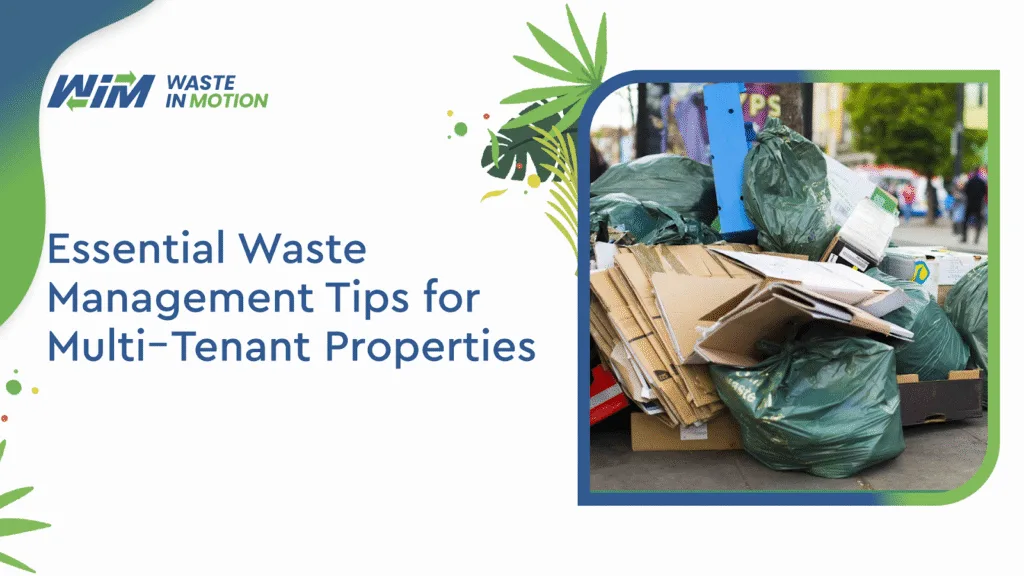
Managing waste in multi-tenant properties like apartment buildings, condos and townhome complexes comes with distinct logistical and behavioral challenges.
Unlike single-family homes, multi-unit residences involve shared infrastructure and varying levels of tenant engagement. From inconsistent recycling habits to overflowing bins, the margin for error is razor-thin.
For property managers and building supervisors, the stakes are high. Poor waste management for multi-tenant properties can lead to:
- Complaints from residents
- Rodent infestations
- Fines from municipalities
- Tenant turnover
Understanding the Types of Waste in Multi-Unit Residences
Before implementing any waste strategy, it’s vital to know what you’re dealing with. The typical waste stream includes:
| Waste Type | Examples |
|---|---|
| General Waste | Plastic bags, dirty containers, and diapers |
| Recyclables | Cardboard, clean paper, cans, glass bottles |
| Organics | Food scraps, coffee grounds, compostable paper products |
| Bulky Items | Furniture, mattresses, renovation debris |
| E-Waste | Batteries, small appliances, cords, electronics |
Understanding the volume and variety helps determine bin sizing, labeling, and collection frequency, all of which directly impact tenant compliance and satisfaction.
Importance of Clear Waste Disposal Guidelines for Tenants
One of the biggest obstacles in tenant waste disposal rules is simply a lack of awareness. Tenants often don’t know:
- What goes in each bin
- Where bins are located
- How bulk waste is handled
- Who to contact in case of overflow or missed pickups
By establishing clear, visual, and multilingual signage, you dramatically improve compliance.
PRO TIP: Send welcome packages with waste disposal FAQs and integrate guidelines into lease agreements.
Want to see how other properties streamline operations? See how we supported a Condominium Board in SW Calgary to improve tenant engagement and reduce violations.
Choosing the Right Bin Types and Sizes for Shared Spaces
Waste bin placement for shared spaces is a balancing act between accessibility, volume and security. When residents can’t find a bin or find one overflowing, they’re more likely to dump waste improperly. Strategic bin placement resolves that friction.
Tips for bin selection:
- Use color-coded bins (green for organics, blue for recycling, black for garbage)
- Opt for bear-proof or lockable bins in areas with wildlife
- Place bins in well-lit, covered areas to deter illegal dumping
- For high-traffic buildings, use compactors for apartment waste to save space and reduce overflow
Scheduling and Frequency: Coordinating Pickups Efficiently
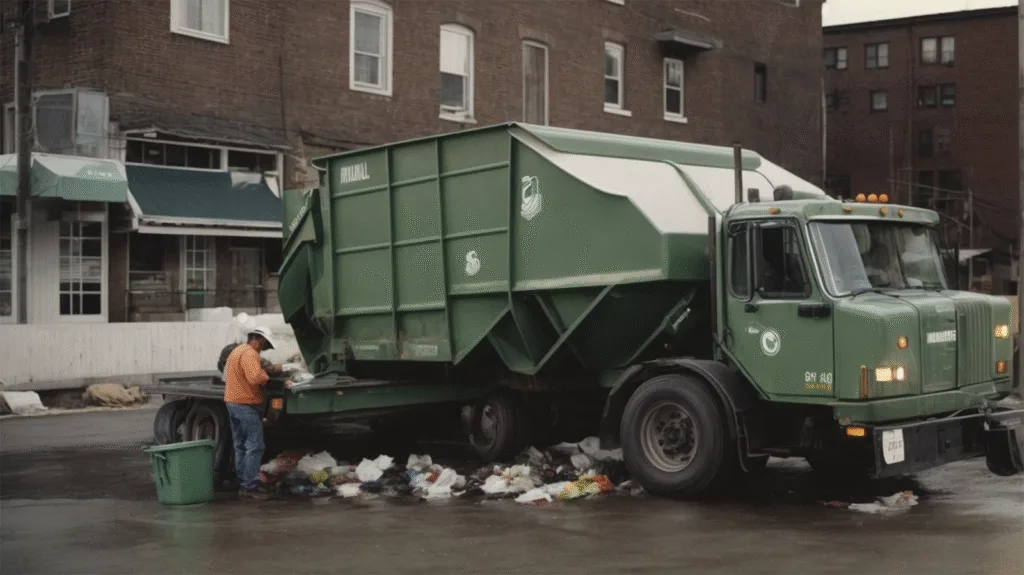
Efficient pickup schedules are critical in high-density buildings. You don’t want bins overflowing on a Sunday if pickup isn’t until Wednesday.
What works:
- Peak-hour scheduling based on building traffic (e.g., weekend check-outs)
- Data-driven pickups based on fill sensors in bins
- Staggered collection for different waste streams (e.g., recycling on Mondays, organics on Fridays)
Flexible pickup contracts, such as those we offer at Waste in Motion, are designed to accommodate fluctuating volumes and seasonal variations.
Recycling Programs That Work in Multi-Tenant Settings
Multi-family recycling strategies face two core issues:
- Contamination from improperly sorted items
- Tenant apathy or confusion
To build a successful recycling culture:
- Offer mini recycling bins for each unit
- Place educational posters with real examples
- Organize quarterly recycling drives with incentives
Avoiding Contamination: Labeling and Tenant Education
Contamination is one of the most expensive issues in apartment complex waste solutions. A single plastic bag in the organics bin can lead to entire loads being rejected.
Effective tenant education on garbage rules is an ongoing process, not a one-time handout.
Solutions include:
- Clear bin signage with images, not just words
- Bilingual or multilingual instructions
- Building-wide campaigns like “Recycling Week”
- Email reminders about seasonal changes (e.g., no Christmas lights in recycling)
Innovative Solutions: Moloks, Compactors, and Smart Bins
Many buildings are now moving beyond traditional bins. New technology is making waste management for multi-tenant properties more space-saving and cost-efficient.
Top innovations:
- Moloks: Underground waste containers that reduce odor and increase capacity. Read more in our guide: What Are Moloks and How Do They Work?
- Compactors: Ideal for buildings with limited space and high volumes of trash.
- Smart Bins: Equipped with IoT sensors to alert property managers when bins are full or improperly used.
Want to see how Moloks are transforming waste in Canada? Explore our full Molok solutions here.
Working with a Reliable Waste Management Partner
No matter how well your internal processes are set up, without the right partner, things fall apart fast.
A reliable waste partner will:
- Help you plan custom waste contracts for property managers
- Offer scalable services across multiple buildings or locations
- Provide digital tracking of pickups and contamination reports
- Train your building staff or custodians
If you’re juggling too many suppliers or getting surprise overflow charges, it might be time to revisit your service agreement. Learn how we support property managers at scale in our post on waste contract management for multi-location businesses.
Handling Overflow and Bulky Waste Responsibly
Bulk waste in rental properties, like mattresses, broken furniture, or appliances, is one of the biggest causes of fines and visual blight.
To manage bulk waste:
- Establish a monthly “bulk day” and notify tenants in advance
- Partner with charities or upcycling centers for donations
- Provide lockable bulk waste bins or designate a secure area
- Educate tenants on How tenants can recycle better.
For peak seasons (like move-in/move-out months), consider temporary bin expansion or additional service calls.
Legal Obligations and Waste Compliance Requirements
Most cities now enforce strict waste sorting and contamination rules. Non-compliance can result in:
- Fines
- Legal notices
- Reputation damage
- Increased collection costs
To stay compliant:
- Review your municipality’s recycling and organic waste mandates
- Keep records of your disposal volumes
- Audit tenant behavior and signage clarity
Conclusion
Managing waste in a multi-tenant property is no longer just about taking out the trash. It’s about creating a cleaner, safer, more compliant environment, without disrupting tenant convenience.
By implementing the right systems, leveraging modern tools like Moloks and compactors and partnering with a reliable waste solutions provider, you can:
✅ Lower costs
✅ Improve tenant satisfaction
✅ Enhance property appeal
✅ Remain legally compliant
Ready to optimize your multi-tenant waste strategy?
Get in touch with Waste in Motion to build a custom plan that fits your property, and your residents.